In a world dominated by fast fashion and fleeting digital trends, the concept of “investment” in one’s wardrobe has taken on a new level of importance. While clothing often degrades after a season and technology becomes obsolete within a few years, fine jewelry stands alone as a category of acquisition that retains—and often increases—its value over time.
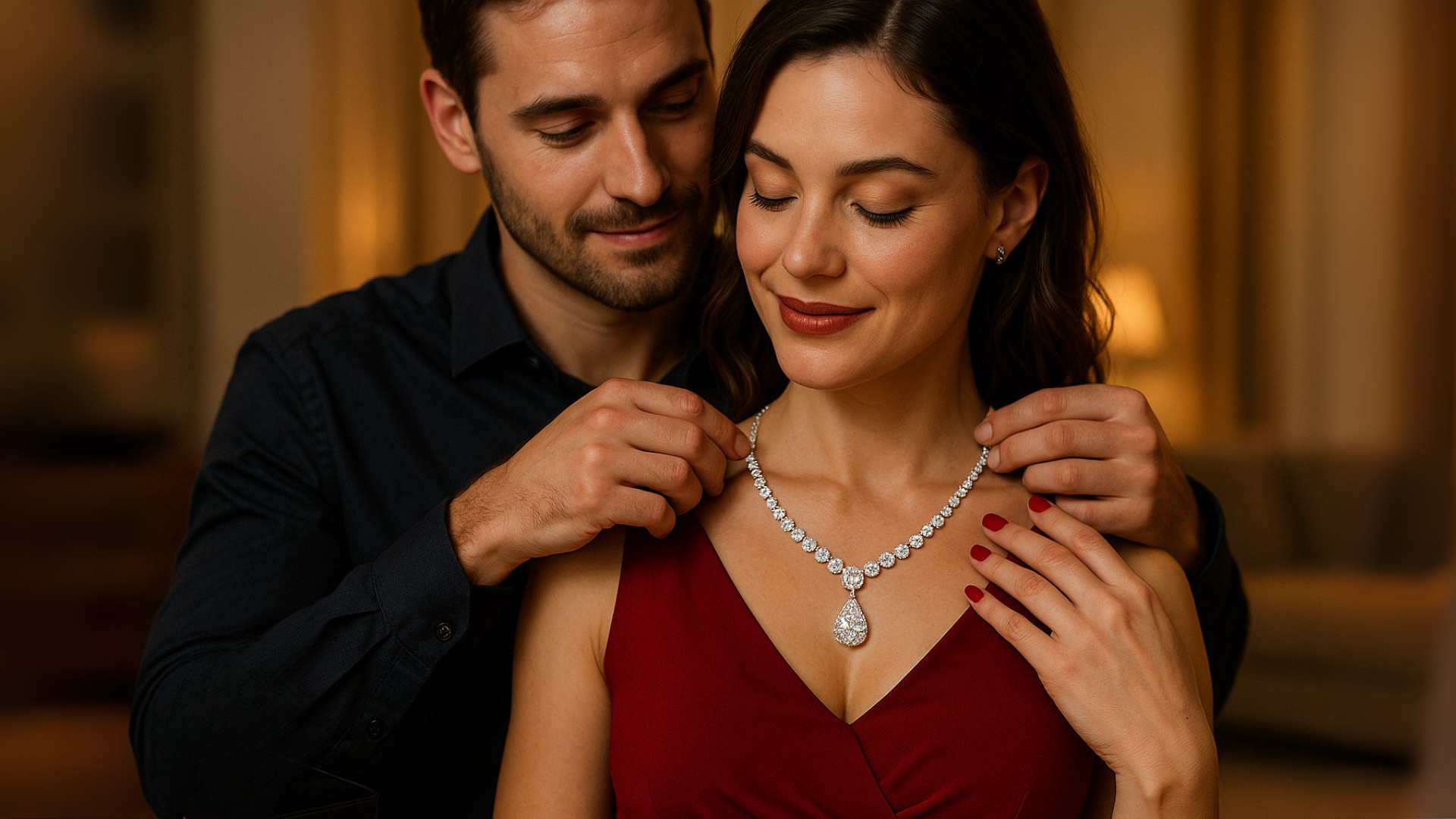
Investing in high-quality jewelry is not merely an act of vanity; it is a strategic decision that touches upon financial savvy, personal branding, and emotional heritage. Whether it is a solid gold timepiece, a pair of diamond studs, or a handcrafted gemstone ring, “nice” jewelry represents a permanent addition to your life’s portfolio. Here is why you should consider shifting your spending toward high-end jewelry.
1. Tangible Financial Value and Wealth Preservation
Unlike most consumer goods, fine jewelry made from precious metals and stones carries an intrinsic value. Gold, platinum, and high-grade gemstones have historically served as hedges against inflation. While a designer handbag may lose half its value the moment you leave the boutique, the raw materials in fine jewelry provide a safety net.
In times of economic volatility, precious metals tend to remain stable or appreciate. By purchasing solid 18k gold or GIA-certified diamonds, you are essentially converting liquid currency into a portable asset. Should you ever encounter a financial emergency, high-quality jewelry can be resold or used as collateral in a way that “fashion” or “costume” jewelry simply cannot. It is one of the few items you can wear and enjoy daily while it simultaneously sits on your personal balance sheet as an asset.
2. Unrivaled Durability and Longevity
One of the most practical reasons to invest in fine jewelry is its sheer durability. Costume jewelry is typically made of base metals like brass or copper, plated with a thin layer of gold. Over time, this plating wears off, leaving the skin green and the jewelry tarnished. These items are destined for the landfill, making them a poor long-term investment.
Fine jewelry, however, is built to last for centuries. Solid gold does not tarnish or rust. Diamonds are the hardest natural substance on earth, capable of withstanding daily wear for a lifetime without losing their brilliance. When you buy “nice” jewelry, you are ending the cycle of “buy and replace.” You are purchasing an item that can be polished, resized, and repaired indefinitely, ensuring that your initial investment remains in pristine condition for decades.
3. The Power of Personal Branding and Confidence
The psychological impact of wearing fine jewelry should not be underestimated. Jewelry is often the first thing people notice during a professional introduction or a social gathering. It serves as a subtle but powerful communicator of status, taste, and attention to detail.
Investing in a few key pieces allows you to cultivate a signature look. A high-quality watch or a classic necklace acts as an anchor for your entire wardrobe, elevating even a simple white t-shirt and jeans into a sophisticated ensemble. There is also an internal shift that occurs when you wear genuine materials. Knowing that you are wearing something authentic provides a boost in self-assurance that reflects in your posture and interactions. In the professional world, this “polished” appearance can be the difference-maker in how you are perceived by peers and clients.
4. Jewelry as a Vessel for Sentimental Heritage
Perhaps the most unique aspect of fine jewelry is its ability to hold memory. We rarely pass down a pair of shoes or a smartphone to the next generation, but jewelry is the quintessential heirloom. Because of its durability, a high-quality piece becomes a silent witness to your life’s milestones—weddings, promotions, anniversaries, and births.
When you invest in a piece of jewelry today, you are essentially curating a legacy. These items become physical manifestations of family history. Passing down a ring or a pendant to a child or grandchild is not just about the transfer of wealth; it is about the transfer of a story. Fine jewelry is one of the few objects that gains emotional value as it ages, making it a priceless investment in your family’s future narrative.
5. Sustainability and Ethical Consumption
In an era where “sustainability” is a primary concern, fine jewelry is the ultimate “slow fashion” choice. Because fine jewelry is made from precious materials that can be melted down and recycled indefinitely, it has a much smaller environmental footprint over the long term than mass-produced costume jewelry.
Investing in a few high-quality pieces reduces the demand for the “throwaway” culture that plagues the fashion industry. Furthermore, the high-end jewelry market has made significant strides in ethical sourcing. By investing in reputable brands that offer conflict-free diamonds and fair-mined gold, you are supporting an industry that is increasingly focused on human rights and environmental stewardship.
Conclusion
The decision to buy fine jewelry is a shift from a consumer mindset to a collector mindset. It is an acknowledgment that quality is superior to quantity and that some things are worth waiting for. While the upfront cost of gold and gemstones may be higher, the cost-per-wear over a lifetime—and the potential for financial and emotional return—makes it one of the smartest purchases you can make.
“Nice” jewelry is more than an accessory; it is a portable bank account, a boost of confidence, and a bridge between generations. By choosing to invest in pieces of substance, you are ensuring that your style is not just seen, but remembered.