Fashion in 2025 is undergoing a fascinating transformation. As we move further into the decade, the industry is shedding the “fast fashion” mentality in favor of pieces that tell a story, respect the planet, and offer a sense of tactile joy. This year is not about following a single aesthetic; instead, it is about a “Style Renaissance” where historical nods meet futuristic sustainability.
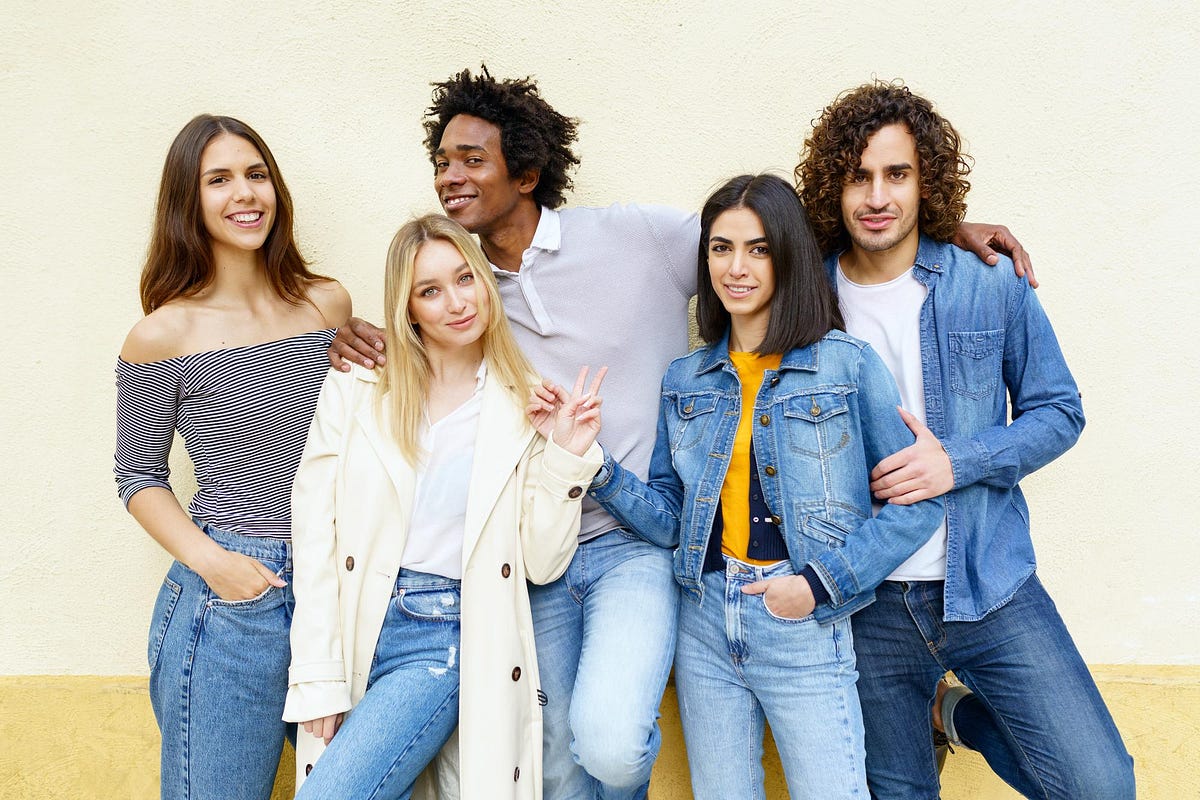
Whether you are looking to refresh your wardrobe or simply stay ahead of the curve, these five trends are the definitive markers of style in 2025.
1. The Bohemian Renaissance (Boho 2.0)
If the early 2000s were about “boho-chic,” 2025 has introduced “Boho 2.0.” This is a more sophisticated, elevated version of the free-spirited aesthetic. We are seeing a massive return to fluid silhouettes, intricate ruffles, and heavy fringe, but with a refined twist.
Unlike its predecessor, the modern bohemian trend favors high-quality natural fibers like organic linen and raw silk. The color palette has shifted from loud neons to earthy, “grounded” tones—think terracotta, moss green, and deep ochre. Key pieces for this trend include sheer maxi dresses layered over structured undergarments and oversized suede accessories. It’s a look that feels both effortless and intentionally curated, celebrating a nomadic spirit with a luxury finish.
2. Nautical Know-How and Sailor Chic
One of the most surprising shifts this year is the rise of the “Nautical” trend. This isn’t just about classic stripes; it’s an immersive dive into maritime aesthetics. Runways are currently filled with sailor collars, brass button detailing, and “fisherman” netting used as decorative overlays.
The 2025 nautical look is less about “vacationing on a yacht” and more about “functional marine utility.” Expect to see wide-leg sailor trousers with high waists, navy-blue peacoats with exaggerated proportions, and even accessories made from recycled ocean plastics. This trend harmonizes perfectly with the year’s focus on structured, purposeful dressing, providing a crisp alternative to the more relaxed bohemian styles.
3. The “Mocha Mousse” and Earthy Monochrome
While red dominated 2024, the undisputed champion of 2025 is “Mocha Mousse”—a warm, rich brown that Pantone highlighted as a key shade for the year. Brown has officially replaced black as the go-to neutral for the fashion-forward.
The trend for 2025 is “Color Washing,” or head-to-toe monochrome in varying shades of chocolate, tan, and espresso. By mixing different textures—such as a suede skirt paired with a chunky wool knit and leather boots—you create a dynamic, expensive-looking outfit that feels incredibly approachable. This shift toward “comfort colors” reflects a global desire for stability and warmth in our everyday lives.
4. Sheer Layers and “Peek-a-Boo” Sophistication
Transparency is no longer reserved for evening wear. In 2025, sheer fabrics have become a staple of daytime layering. The trend involves using see-through elements—like organza blouses, tulle skirts, or lace panels—to add depth to an outfit without adding weight.
The key to mastering this trend is “The Unnecessary Layer.” For example, wearing a sheer, beaded slip dress over a simple pair of jeans and a white tank top. This creates a multi-dimensional look that plays with light and shadow. It’s a playful, rebellious way to dress that allows for high levels of personalization, as the “base layer” can completely change the vibe of the outfit.
5. Circular Fashion and Bio-Synthetic Innovation
Sustainability is no longer a “trend” in 2025; it is the industry standard. However, the way it is manifesting has changed. We are seeing the rise of “Circular Fashion”—where brands offer built-in repair services and take-back programs—and the mainstream use of bio-synthetic materials.
This year, high-fashion items made from lab-grown cotton, mushroom leather (mycelium), and even textiles derived from seaweed are becoming widely available. The aesthetic associated with this is “Organic Futurism”—clothes that have sleek, modern cuts but possess the raw, irregular textures of the natural world. Choosing these pieces is a status symbol in 2025, signaling that the wearer is as conscious of their environmental footprint as they are of their silhouette.
Conclusion
The fashion landscape of 2025 is a beautiful paradox. It is a year where we look back at the romanticism of the bohemian era and the structure of nautical uniforms, while simultaneously looking forward through the lens of high-tech sustainable materials.
The most important takeaway for 2025 is that fashion has become more inclusive of different lifestyles. Whether you gravitate toward the cozy warmth of Mocha Mousse or the daring transparency of sheer layers, the goal is to dress with intention. By investing in pieces that are either environmentally responsible or timelessly designed, you aren’t just following a trend—you are building a wardrobe that will stand the test of time.