The phrase “The Fabulous Fashion World” instantly conjures images of dazzling runways, celebrity-studded front rows, and exclusive luxury. But beyond the ephemeral glamour and fleeting trends, the global fashion industry is a colossal, intricate machine—a complex ecosystem of creativity, commerce, technology, and pressing ethical concerns. It is an industry that touches every corner of the globe, from the cotton fields in Asia to the design ateliers in Paris, making it one of the most powerful, yet often challenging, sectors in the world.
To truly understand fashion is to look beyond the final garment and appreciate the deep structures that govern its operations, trends, and future.
1. The Invisible Backbone: Unpacking the Fashion Supply Chain (SEO Keyword: Complex Fashion Supply Chain)
The most astonishing feature of the fashion world is arguably its supply chain. It is a fragmented, multi-tiered network that allows a simple T-shirt to cross multiple continents before reaching a consumer. This complexity is the engine of the industry but also the source of its most significant problems.
- From Fiber to Fabric: The journey begins with raw materials—cotton, silk, wool, or synthetic fibers like polyester. This phase involves farming, chemical processing, spinning, and weaving, often spread across different countries to minimize costs.
- Manufacturing Opacity: Garment production is typically outsource to developing nations (like Bangladesh, Vietnam, or China). The pressure for Fast Fashion—the rapid replication of runway trends at low cost—forces manufacturers to operate under extreme deadlines and tight margins. This environment often leads to poor labor practices, including poverty wages and unsafe working conditions, which are difficult to monitor due to the lack of supply chain transparency.
- The Distribution Maze: Finish goods are then ship globally, navigating complex logistics, warehousing, and customs before finally reaching retail stores or e-commerce fulfillment centers.
This vast geographical dispersion and constant pressure for speed create a system that is volatile, opaque, and inherently difficult to regulate, making ethical oversight a continuous battle for responsible brands.
2. The Ethical and Environmental Reckoning
The glamour of the fashion world stands in stark contrast to its environmental footprint. Fashion is widely cited as one of the most polluting industries globally, driving a necessary, albeit slow, shift towards sustainability.
- The Environmental Toll:
- Water Consumption: Growing cotton is incredibly water-intensive, while the dyeing and finishing processes contribute heavily to water pollution, often releasing toxic chemicals into local ecosystems.
- Waste Crisis: The culture of fast fashion has cultivated overconsumption. Millions of tons of textiles, often synthetic and non-biodegradable, end up in landfills or are incinerate annually, contributing significantly to greenhouse gas emissions.
- Microplastics: Washing synthetic garments (like polyester and nylon) sheds hundreds of thousands of microplastic fibers per load, which flow into oceans and enter the food chain.
- The Social Imperative: The tragic collapse of the Rana Plaza factory in 2013 served as a critical turning point, exposing the human cost of cheap clothing. The ethical challenge centers on ensuring living wages, safe workplaces, and stamping out forced and child labor across all tiers of the supply chain.
The industry is responding through innovation—from exploring materials like recycled polyester and lab-grown leather to adopting circular economy models that prioritize re-use and recycling. However, the conflict between profit-driven fast fashion and true sustainability remains the industry’s most critical challenge.
3. The Digital Catalyst: Social Media’s Unprecedented Influence (SEO Keyword: Social Media Influence Fashion)
The most recent and profound transformation in the fashion world is the seismic shift driven by digital platforms. Social media has completely democratized and accelerated the trend cycle, fundamentally changing how fashion is consumed.
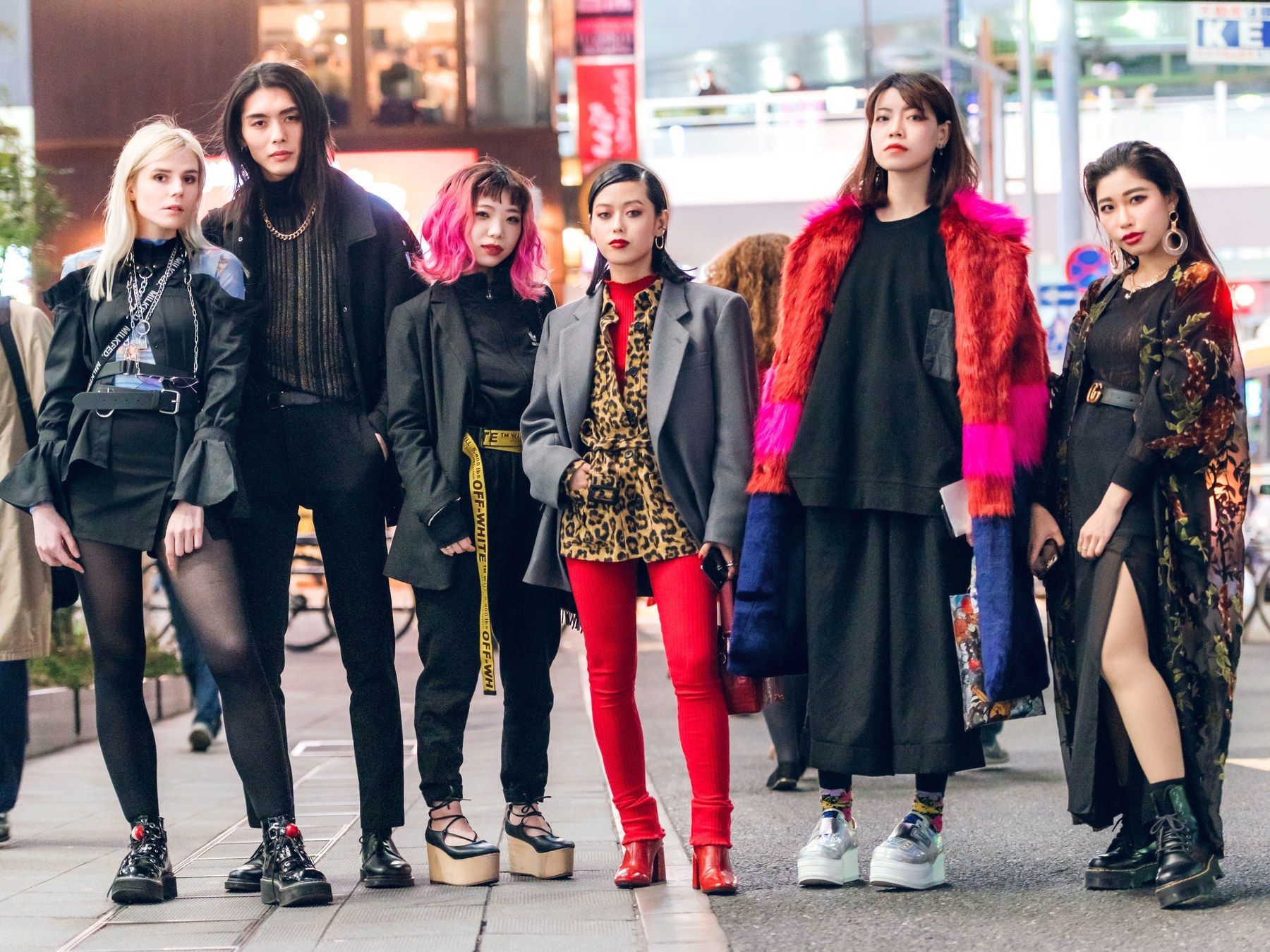
- Democratization and Acceleration: Platforms like Instagram and TikTok have turned every street and screen into a runway. Trends no longer trickle down solely from Parisian ateliers; they can emerge organically from a viral video, leading to unprecedented speed in trend adoption and expiry. This fuels the fast fashion model by constantly generating demand for newness.
- The Rise of the Influencer: Fashion influencers, bloggers, and content creators have replaced traditional fashion journalists and celebrity models as primary trendsetters. Consumers trust peer recommendations and visual testimonials, making influencer marketing an indispensable strategy for brands—both luxury and mass-market.
- Direct-to-Consumer (D2C): Social media allows emerging and niche brands to bypass traditional retail barriers, connecting directly with consumers and fostering a more inclusive and diverse range of styles than was ever possible through traditional media gatekeepers.
Conclusion: A World in Flux
The Fabulous Fashion World is a compelling paradox: a highly artistic, culturally rich sector that is simultaneously burdened by profound industrial challenges. The future of this $2.5 trillion industry lies in its ability to reconcile the relentless drive for aesthetic newness with the urgent need for ethical and environmental responsibility. As consumers become more informed and empowered by digital transparency, the winning brands will be those that can successfully weave creativity, integrity, and sustainable practice into the very fabric of their business model.