The world of fashion modeling is often perceive through a lens of undeniable glamour: exclusive runways, magazine covers, and jet-setting lifestyles. Yet, beneath the dazzling surface lies a demanding, highly competitive, and professional industry. Fashion models are far more than just “pretty faces”; they are the silent communicators who translate a designer’s vision and a brand’s ethos to the global consumer. Their role is pivotal, acting as the living, breathing canvas upon which the $2.5 trillion fashion industry depends.
Understanding fashion modeling requires looking past the superficial aesthetics and delving into the varied roles, rigorous requirements, and technological shifts that define this dynamic career.
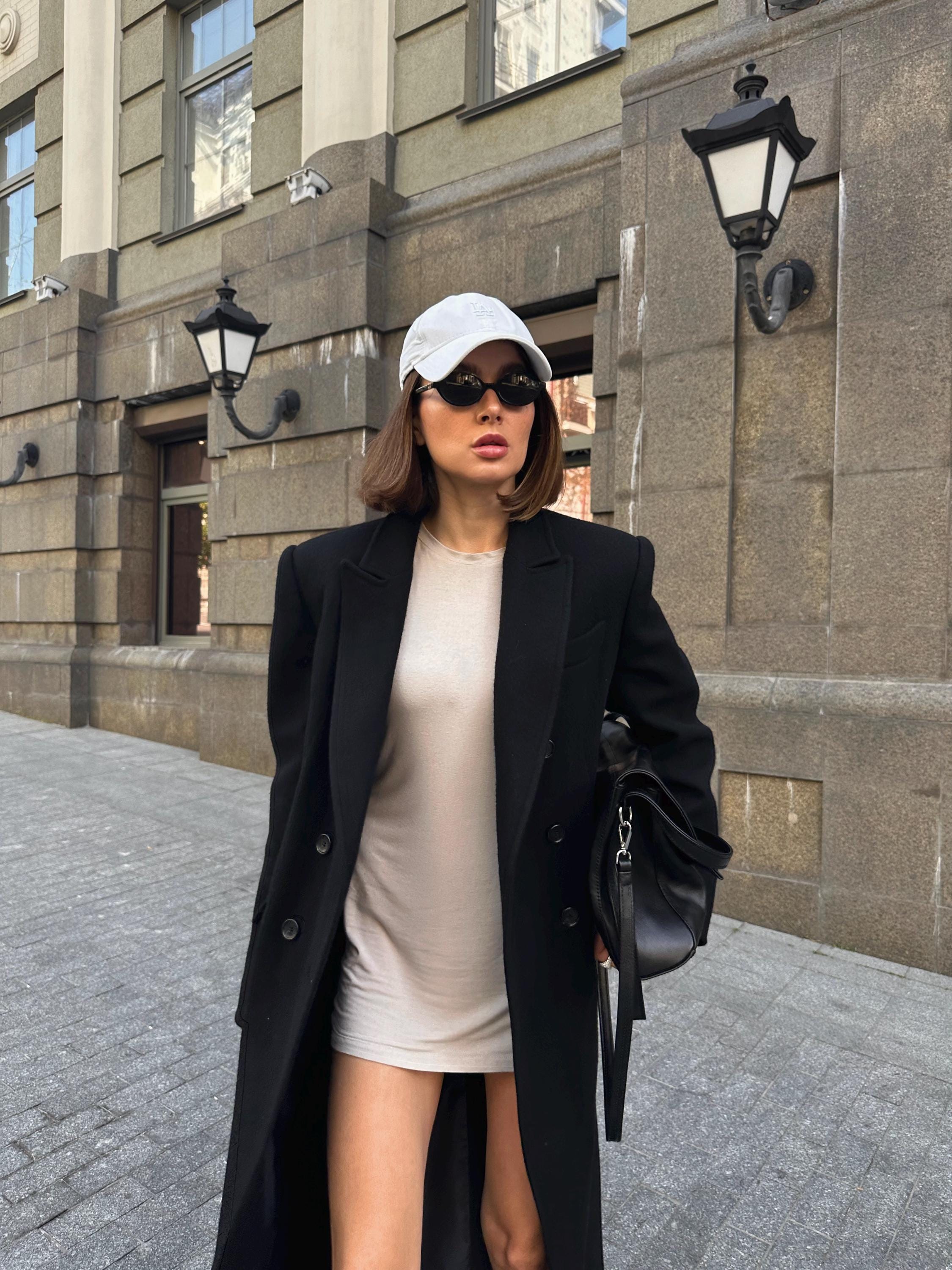
1. The Model’s Multifaceted Role: More Than a Mannequin (SEO Keyword: Role of Fashion Model)
A fashion model is essentially a professional actor in the visual medium of clothing and branding. Their core responsibility is not just to look good. But to embody the mood, message, and target demographic of the product they are showcasing.
- The Interpreter of Design: On the runway, the model must convey the designer’s narrative through their walk, posture, and expression. They must quickly adapt to radical changes in styling and choreography, sometimes changing outfits in seconds.
- The Brand Ambassador: In print and commercial modeling, the model’s image is the primary selling tool. They must be versatile enough to switch between high-fashion editorial (which focuses on artistic expression). And commercial print (which focuses on relatability and selling a lifestyle).
- The Fit Specialist: A lesser-known but crucial role is that of the fit model. These individuals work behind the scenes, wearing garments in development so designers can assess and perfect the cut, draping, and sizing before mass production. A fit model’s measurements must be incredibly consistent and precise.
In essence, a successful fashion model possesses a unique blend of physical attributes, professional discipline, and a chameleon-like ability to transform.
2. Navigating the Diverse World of Modeling
The industry is segment into several niches, each with its own set of standards and opportunities. While the traditional standards for high fashion and runway models (often characterized by extreme height and specific measurements) still exist, the industry has embraced greater diversity in recent years.
| Modeling Type | Primary Focus | Key Requirements |
| Runway/Catwalk | Showcasing designer collections. | Tall height (typically 5’9″ to 6’0″ for women, 5’11” to 6’2″ for men), precise measurements. |
| Editorial/High Fashion | Magazine features and artistic campaigns. | Strong, unique facial features; ability to convey emotion and story through posing. |
| Commercial | Advertising everyday products (e.g., retail, beauty, lifestyle). | Relatability, healthy appearance, all ages and body types are represented. |
| Plus-Size Modeling | Showcasing garments designed for curvier body types. | Accurate and consistent measurements typically size 12 and up; confident stage presence. |
| Parts Modeling | Showcasing specific body parts (hands, feet, eyes, hair). | Flawless, well-maintained skin and features specific to the job (e.g., slender fingers for jewelry). |
The Modern Model’s Toolkit: Beyond physical attributes, the contemporary model needs professionalism, a thick skin to handle constant rejection, and a strong social media presence. Many commercial modeling contracts today factor in a model’s engagement and following as part of their value proposition, turning models into true influencers.
3. The Digital Transformation: AI and The Future of the Model
Technology is rapidly reshaping the modeling landscape, creating new avenues while simultaneously presenting ethical and professional challenges.
- The Rise of the AI Model: Companies are increasingly using AI-generated models to showcase clothing online. These virtual models offer speed, scalability, and the ability to instantly adapt appearance (body type, skin color, background) to suit different markets without the cost or logistics of a traditional photoshoot.
- Virtual Try-Ons: Augmented Reality (AR) allows models’ images to be used in virtual fitting rooms, letting consumers see how an outfit looks on a digitally simulated body.
- Ethical Concerns: While technology promotes greater digital diversity, the use of AI-generated images raises alarms about job security for human models and the potential for creating unrealistic beauty standards that are completely digital. The fashion industry is currently navigating the balance between technological innovation and preserving the authentic, human element of modeling.
Conclusion: The Enduring Human Connection
The career of a fashion model is one defined by paradox: it requires immense personal visibility yet often demands the model disappear into the garment’s story. Despite the rise of digital avatars and the push for automation, the human fashion model retains an irreplaceable value. Their ability to convey genuine emotion, natural movement, and a sense of tangible reality remains paramount to building a lasting connection between the brand and the consumer. The future of modeling will likely be a hybrid one, where human talent and technological tools coexist to continually reinvent the way fashion is seen and sold.