In the fast-paced world of the 2020s, fashion has transitioned from being a mere industry to a global spectator sport. At the heart of this cultural phenomenon lies celebrity fashion—a powerful force that dictates trends, fuels the retail economy, and serves as a visual language for personal branding. Gone are the days when fans would wait months for a magazine spread to see what their favorite icons were wearing. Today, through real-time digital consumption, celebrity fashion is an instantaneous dialogue between the world’s most famous faces and the millions of people who look to them for inspiration.
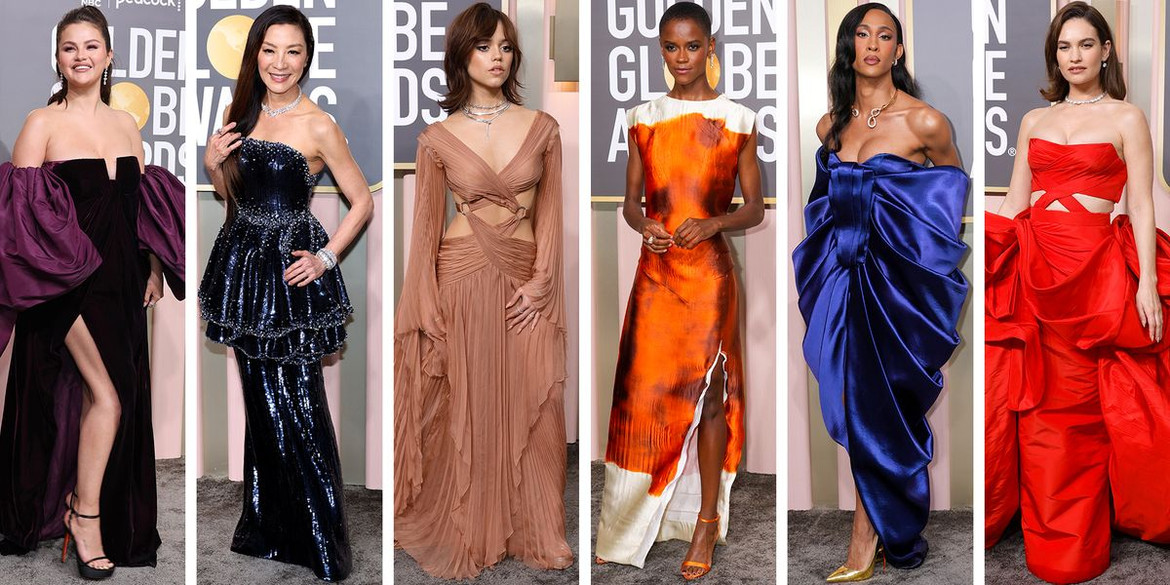
The influence of what a celebrity wears extends far beyond the red carpet of the Oscars or the avant-garde steps of the Met Gala. It is a multi-layered ecosystem that involves high-fashion designers, expert stylists, and the strategic use of social media. Understanding celebrity fashion is about more than just looking at beautiful clothes; it is about analyzing how fame and aesthetics intersect to create the trends we see in our own closets.
The Strategic Power of the Red Carpet
The red carpet is the ultimate runway. For a luxury fashion house, having a high-profile celebrity wear their custom gown is more valuable than any traditional advertisement. This relationship is a symbiotic one. A designer provides the celebrity with an exclusive, often priceless garment, while the celebrity provides the designer with global visibility and cultural relevance.
In 2026, we are seeing a shift toward “Method Dressing.” This is a trend where celebrities dress in alignment with the themes of the projects they are promoting. Whether it is a sci-fi-inspired metallic ensemble for a space epic or a vintage-inspired floral look for a period drama, this strategy turns every premiere into a performance. It allows the celebrity to remain in character while showcasing the versatility of high fashion. This intentionality makes the fashion more memorable and creates a cohesive narrative that resonates with the audience long after the event has ended.
The Rise of the Celebrity Stylist
While the celebrities are the ones in front of the camera, the true architects of these iconic looks are the stylists. In the modern era, the celebrity stylist has become a public figure in their own right. They are the curators who bridge the gap between a designer’s vision and a celebrity’s personal brand.
A stylist’s job is a complex balancing act. They must understand the history of fashion, keep a finger on the pulse of current trends, and anticipate what will spark a conversation. They are responsible for the “street style” looks that appear effortless but are often meticulously planned. From selecting the right accessories to ensuring the perfect fit, the stylist ensures that every public appearance reinforces the celebrity’s image. Their influence is so profound that a single well-styled look can resurrect a forgotten brand or turn an emerging designer into an overnight sensation.
From Runway to Retail: The “See Now, Buy Now” Effect
One of the most significant impacts of celebrity fashion is its ability to move the needle in the retail market. When a major influencer or actor is photographed in a specific pair of sneakers or a particular shade of green, the demand for those items spikes globally within hours. This has led to the “See Now, Buy Now” culture, where fast-fashion retailers scramble to produce affordable versions of celebrity-worn pieces.
Celebrities have also moved beyond being just the faces of brands; they have become the owners. By launching their own labels—ranging from high-end apparel to inclusive loungewear—celebrities are cutting out the middleman and speaking directly to their fans. This shift has democratized fashion to an extent, as these brands often prioritize inclusivity in sizing and diverse representation, reflecting the actual demographics of their fanbases rather than just the traditional fashion elite.
Sustainability and the Vintage Revival
As the global conversation around climate change intensifies, celebrity fashion has taken a turn toward sustainability. In 2026, it is no longer considered a “faux pas” to repeat an outfit on the red carpet. In fact, it is celebrated as a statement of environmental responsibility.
We are seeing a massive surge in “Archival Fashion.” Many celebrities are opting to wear vintage pieces from the 1990s or early 2000s rather than requesting new custom builds. By wearing a dress from a designer’s 1995 collection, a celebrity not only displays a sophisticated knowledge of fashion history but also promotes a circular economy. This trend has significantly impacted the resale market, making vintage shopping a high-status activity and encouraging fans to look for quality second-hand pieces rather than constantly buying new, low-quality items.
The Digital Front Row: Social Media and Street Style
Social media has fundamentally changed the “who” and “how” of celebrity fashion. Platforms like Instagram and TikTok have elevated “Off-Duty” style to the same level of importance as red-carpet glamour. The paparazzi-style shots of a celebrity walking to a gym or grabbing coffee have become the primary source of daily fashion inspiration.
This has led to the rise of “Quiet Luxury”—a trend characterized by high-quality, logo-free basics that signal wealth and taste without being flashy. Celebrities have mastered the art of looking “undone” yet expensive, a look that millions of followers attempt to replicate. The digital landscape also allows for a more diverse range of celebrities to influence fashion. No longer limited to Hollywood actors, we now see athletes, musicians, and digital creators shaping what is considered “cool,” leading to a more eclectic and vibrant global style.
Conclusion
Celebrity fashion is far more than a superficial display of wealth; it is a dynamic and influential industry that mirrors our societal values and aspirations. From the carefully curated spectacles of the red carpet to the sustainable choices of archival dressing, celebrities act as the primary catalysts for change in the fashion world.
As we look toward the future, the relationship between fame and fashion will continue to evolve, likely becoming even more integrated with technology and sustainability. However, the core of its appeal remains the same: fashion is a form of storytelling. When we follow celebrity style, we are not just looking at clothes; we are participating in a global narrative of identity, creativity, and the enduring power of visual expression. Whether we are consciously mimicking their looks or simply observing from a distance, the influence of celebrity fashion is an undeniable thread in the fabric of our modern lives.