Throughout the history of cinema, the relationship between fashion and film has been more than a simple matter of dressing actors for a scene. It is a profound, symbiotic partnership where costume design serves as a silent narrator, revealing character depth, societal shifts, and emotional arcs without a single word of dialogue. In 2026, as digital aesthetics and high-fashion brand collaborations become even more integrated into the movie-making process, “Fashion Movies”—films where style is as central to the plot as the characters themselves—continue to leave an indelible mark on global trends.
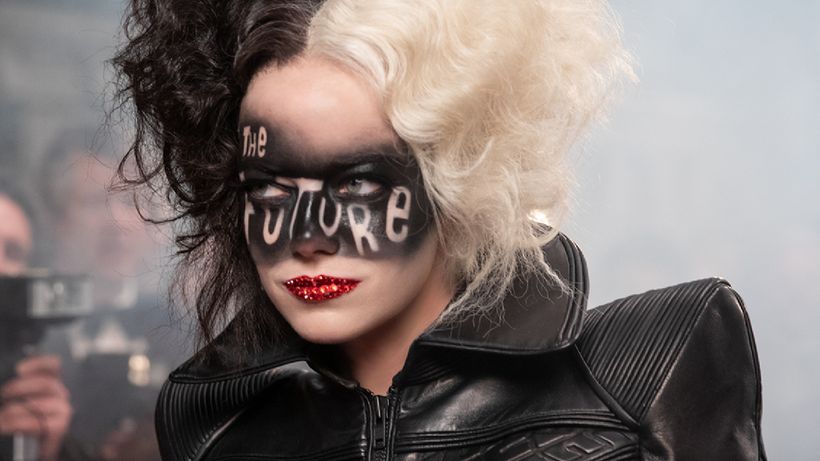
A great fashion movie does more than just showcase beautiful garments; it captures a moment in time and often creates a legacy that outlasts the film’s theatrical run. From the golden age of Hollywood to the avant-garde productions of the modern era, the silver screen remains the most influential runway in the world.
The Costume as a Narrative Tool
In the hands of a master costume designer, clothing is a powerful instrument of storytelling. It defines a character’s evolution. Consider the transformation of a protagonist from a timid, unnoticed individual to a powerful figure of authority; this journey is almost always punctuated by a shift in silhouette, color palette, and fabric texture.
Fashion in movies provides the visual cues that anchor a story in its specific reality. Whether it is the gritty, leather-clad rebellion of a dystopian future or the structured, pastel-hued elegance of a 1950s romance, the wardrobe establishes the “rules” of the world we are watching. It tells us about a character’s social status, their psychological state, and their hidden desires. When we see a character in a perfectly tailored suit versus a disheveled, oversized coat, we instantly receive a wealth of information about their current life circumstances.
Iconic Moments That Defined Generations
Certain films have transcended their scripts to become permanent reference points for the fashion industry. These movies didn’t just follow trends; they invented them.
The collaboration between Audrey Hepburn and Hubert de Givenchy in “Breakfast at Tiffany’s” is perhaps the most famous example of this phenomenon. The “Little Black Dress” became a universal symbol of sophistication and remains a staple in wardrobes nearly seven decades later. Similarly, the 1990s were defined by the high-fashion satire of “Clueless,” which brought plaid sets and high-end prep into the mainstream, proving that teen movies could be high-fashion powerhouses.
In more recent years, films like “The Devil Wears Prada” have pulled back the curtain on the industry itself, romanticizing the grueling work behind the glamour and cementing the idea that fashion is a serious, multi-billion-dollar art form. These movies act as time capsules, preserving the aesthetic spirit of their era while providing a blueprint for future designers to reinterpret and revive.
The Rise of Brand Collaborations and Method Dressing
As we move through 2026, the lines between the film industry and luxury fashion houses have blurred significantly. We are seeing a surge in “Method Dressing,” where the fashion worn during the promotional press tours is just as meticulously curated as the costumes in the film itself. Actors now appear on red carpets as extensions of their characters, creating a continuous fashion narrative that starts in the cinema and ends on social media.
Furthermore, luxury brands are now frequently co-producing films or designing exclusive collections for major releases. This isn’t just product placement; it is a creative integration. When a legendary fashion house designs the wardrobe for a film, it lends an air of authenticity and high-stakes glamour that elevates the entire production. This synergy allows brands to reach a wider audience while providing filmmakers with access to artisanal craftsmanship that would be impossible to replicate on a standard costume budget.
The Psychology of the “Fashion Makeover” Trope
One of the most enduring and beloved elements of fashion movies is the “makeover” sequence. While some critics argue it emphasizes superficiality, from a cinematic perspective, it is a visual metaphor for self-discovery and empowerment.
The makeover represents a character taking control of their image and, by extension, their destiny. It is the moment they step into a new version of themselves. Whether it is the high-fashion polish of “Pretty Woman” or the subversive, dark transformations found in modern psychological thrillers, these scenes resonate because they reflect a universal truth: how we present ourselves to the world significantly impacts how the world perceives and treats us. It highlights fashion as a form of armor—a way to project strength, confidence, or even a new identity.
Sustainability and the Future of Film Costuming
With the global focus on environmental responsibility in 2026, the world of film costuming is also undergoing a green revolution. “Fashion Movies” are increasingly highlighting sustainable practices. We see more characters wearing archival vintage pieces or garments made from innovative, eco-friendly materials.
Behind the scenes, costume departments are moving away from the “fast fashion” approach of buying and discarding. Instead, there is a focus on “circular costuming”—renting garments, repurposing pieces from previous productions, and ensuring that wardrobes are sold or archived rather than sent to landfills. This shift is beginning to reflect in the stories being told on screen, with films exploring themes of conscious consumption and the beauty of craftsmanship over mass production.
Conclusion
Fashion movies are a celebration of the visual arts. They remind us that what we wear is a deeply personal form of expression and a vital part of our cultural history. By blending the movements of the human body with the textures of fabric and the light of the camera, cinema creates a unique magic that a still photograph can never capture.
As technology continues to evolve, the way we experience fashion in film will undoubtedly change—perhaps through augmented reality or interactive viewing experiences. However, the core appeal will remain the same. We will always be drawn to stories that use style to explore the complexities of the human condition. A truly great fashion movie doesn’t just show us what to wear; it shows us who we can become. In the intersection of the needle and the lens, we find the most beautiful reflections of ourselves.