In an era dominated by the lightning-fast convenience of global e-commerce and the vast, often overwhelming aisles of department stores, the fashion boutique stands as a beacon of intentionality. As we move through 2026, the retail landscape has shifted. Consumers are no longer merely looking for “stuff”; they are searching for stories, authenticity, and a personalized experience that a computer algorithm simply cannot replicate.
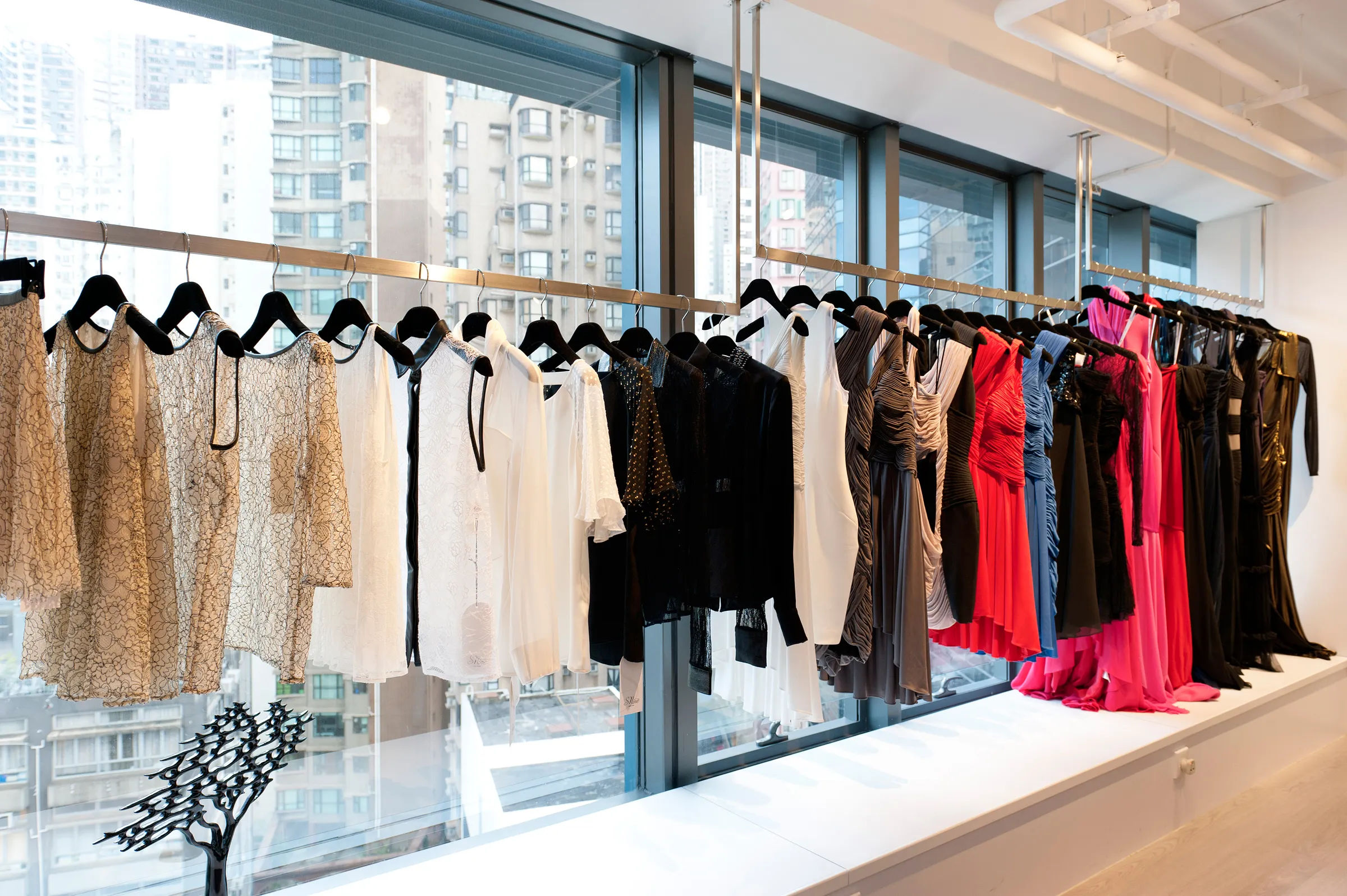
A fashion boutique is more than just a small shop; it is a curated gallery of personal expression. It represents a specific point of view, carefully assembled by a passionate owner or buyer who acts as a filter for the chaotic world of global trends. This article explores the unique role of the boutique in the modern fashion ecosystem and why these intimate spaces remain the true heartbeat of style.
The Art of Curation: Quality Over Quantity
The primary strength of a fashion boutique lies in the art of curation. Unlike big-box retailers that attempt to cater to every possible demographic, a boutique thrives by specializing. When you walk into a well-managed boutique, you are stepping into a pre-vetted selection of garments.
Boutique owners often hunt for “niche” brands—emerging designers who prioritize craftsmanship over mass production. In 2026, this has become a significant draw for the conscious consumer. People are increasingly wary of the environmental and ethical costs of fast fashion. Boutiques provide a platform for sustainable labels, local artisans, and high-quality pieces that are designed to last for years rather than weeks. By offering a smaller, more focused inventory, boutiques encourage a “buy less, buy better” philosophy that resonates with the modern, eco-conscious shopper.
Personalized Service: The Human Element of Style
In the digital age, the most valuable luxury is human connection. One of the most significant advantages of shopping at a fashion boutique is the level of personalized service. In a boutique, you are not just an anonymous customer; you are a guest.
The staff in a high-end boutique often function more like personal stylists than sales associates. They understand the fit of every garment in the store, the story behind every designer, and how to mix and match pieces to suit an individual’s body type and personality. This relationship-based shopping creates a sense of community. Many boutique owners know their regular clients by name, understanding their tastes so well that they can set aside items from a new shipment before the client even walks through the door. This level of intimacy builds trust—a rare commodity in the modern retail world.
The Boutique as a Sensory Experience
While online shopping offers convenience, it lacks the sensory richness that defines fashion. You cannot feel the weight of a silk slip dress, the texture of a hand-knitted sweater, or the true vibrance of a hand-dyed fabric through a screen.
Fashion boutiques are designed to be sensory experiences. From the carefully selected ambient music and the signature scent of the room to the lighting and the tactile nature of the displays, every element is designed to evoke an emotion. In 2026, boutiques have leaned into this “experiential retail” model. Many now incorporate small lounges, coffee bars, or even rotating art installations, turning a shopping trip into a leisurely afternoon of discovery. It is this physical interaction with the clothing and the environment that turns a simple purchase into a lasting memory.
Nurturing Emerging Talent and Local Economy
Boutiques serve as the essential entry point for new fashion talent. For an emerging designer, getting their collection into a major department store can be nearly impossible due to the massive volume requirements. However, a local boutique offers a more accessible stage.
By supporting fashion boutiques, consumers are directly contributing to a more diverse and vibrant fashion industry. Boutiques take risks on avant-garde designs and innovative silhouettes that larger retailers might deem too “risky.” Furthermore, boutiques are often the backbone of local business districts. They contribute to the unique character of a neighborhood, ensuring that high streets across the world don’t become identical rows of the same five global corporations. When you shop at a boutique, a larger portion of your money stays within the local community, supporting small business owners and local creative talent.
The Digital Integration of the Modern Boutique
While the physical space is paramount, the modern boutique of 2026 has mastered the art of “omnichannel” presence. Successful boutiques now use social media not just for advertising, but as a digital extension of their storefront.
Through live-stream styling sessions, “behind-the-scenes” looks at buying trips, and direct-to-consumer messaging, boutiques can maintain their intimate connection with clients even when they aren’t physically in the store. This hybrid model allows small shops to reach a global audience while maintaining the “small-town” feel of personalized service. It’s a sophisticated balance that allows a boutique in a small town in Indonesia or a quiet street in Paris to influence style trends across the globe.
Conclusion: The Enduring Value of the Small Shop
The fashion boutique is a testament to the fact that style is a deeply personal journey. It is a space that celebrates the unique, the hand-crafted, and the human. In a world that often feels increasingly automated and impersonal, the boutique offers a return to the roots of fashion: the joy of discovery and the beauty of craftsmanship.
Whether it is through the careful curation of sustainable brands, the expert advice of a dedicated stylist, or the sheer atmosphere of a beautifully designed room, the fashion boutique provides an experience that cannot be digitized. As we look toward the future of fashion, it is clear that these intimate spaces will continue to play a vital role. They are the guardians of style, the champions of new talent, and the ultimate destination for those who believe that what we wear is a reflection of who we are. In the world of fashion, sometimes the smallest spaces leave the biggest impressions.