The concept of a Fashion Capital transcends mere geography; it represents a city that acts as a global headquarters for creativity, commerce, and culture in the apparel industry. These cities are not just places where clothes are sold, but where they are conceived, manufactured, and officially unveiled to the world. A fashion capital is define by a dynamic ecosystem: it must host internationally recognized Fashion Weeks, house the headquarters of influential design houses, foster a vibrant creative climate with top design schools, and generate significant economic output from the industry.
While many cities possess pockets of style, the title of “Fashion Capital” is reserve for those that possess the historical legacy and current commercial influence to set global trends. This article delves into the established “Big Four” and explores the dynamic shift towards emerging style hubs.
1. Defining the Pillars: The Traditional “Big Four”
For decades, the global fashion calendar has revolved around four iconic cities, each contributing a unique aesthetic and commercial focus to the industry. They are present chronologically by their Fashion Week schedule: New York, London, Milan, and Paris.
New York: The Engine of Ready-to-Wear (NYFW)
New York’s influence rose prominently after World War II, establishing itself as the home of pragmatic, wearable fashion. It challenged the dominance of Parisian couture by championing sportswear and the concept of ready-to-wear (prêt-à-porter).
- The Vibe: Energetic, diverse, and commercially focused.
- Key Contribution: Its designers, like Ralph Lauren and Calvin Klein, popularized a more accessible and inclusive view of luxury. New York Fashion Week (NYFW) is the crucible for American commercial success and diversity.
London: The Incubator of Rebellion (LFW)
London has long been the avant-garde and counter-cultural heart of fashion. It is less about established commercial success and more about challenging the status quo, often nurturing radical creativity.
- The Vibe: Edgy, innovative, and rebellious.
- Key Contribution: London is renown for producing groundbreaking, influential designers—from Vivienne Westwood and Alexander McQueen to countless emerging talents—who push boundaries and inject raw energy into the global scene. London Fashion Week (LFW) is a platform for the next generation.
Milan: The Powerhouse of Luxury & Craftsmanship (MFW)
Milan’s status stems from Italy’s unparalleled heritage in textile production, exquisite tailoring, and high-end manufacturing. It is the commercial centre for luxury ready-to-wear and features some of the world’s most opulent brands.
- The Vibe: Glamorous, elegant, and focused on quality and textile innovation.
- Key Contribution: Home to titans like Gucci, Prada, Versace, and Armani, Milan Fashion Week (MFW) showcases supreme Italian craftsmanship and translates artistic vision into highly covetable, high-quality garments.
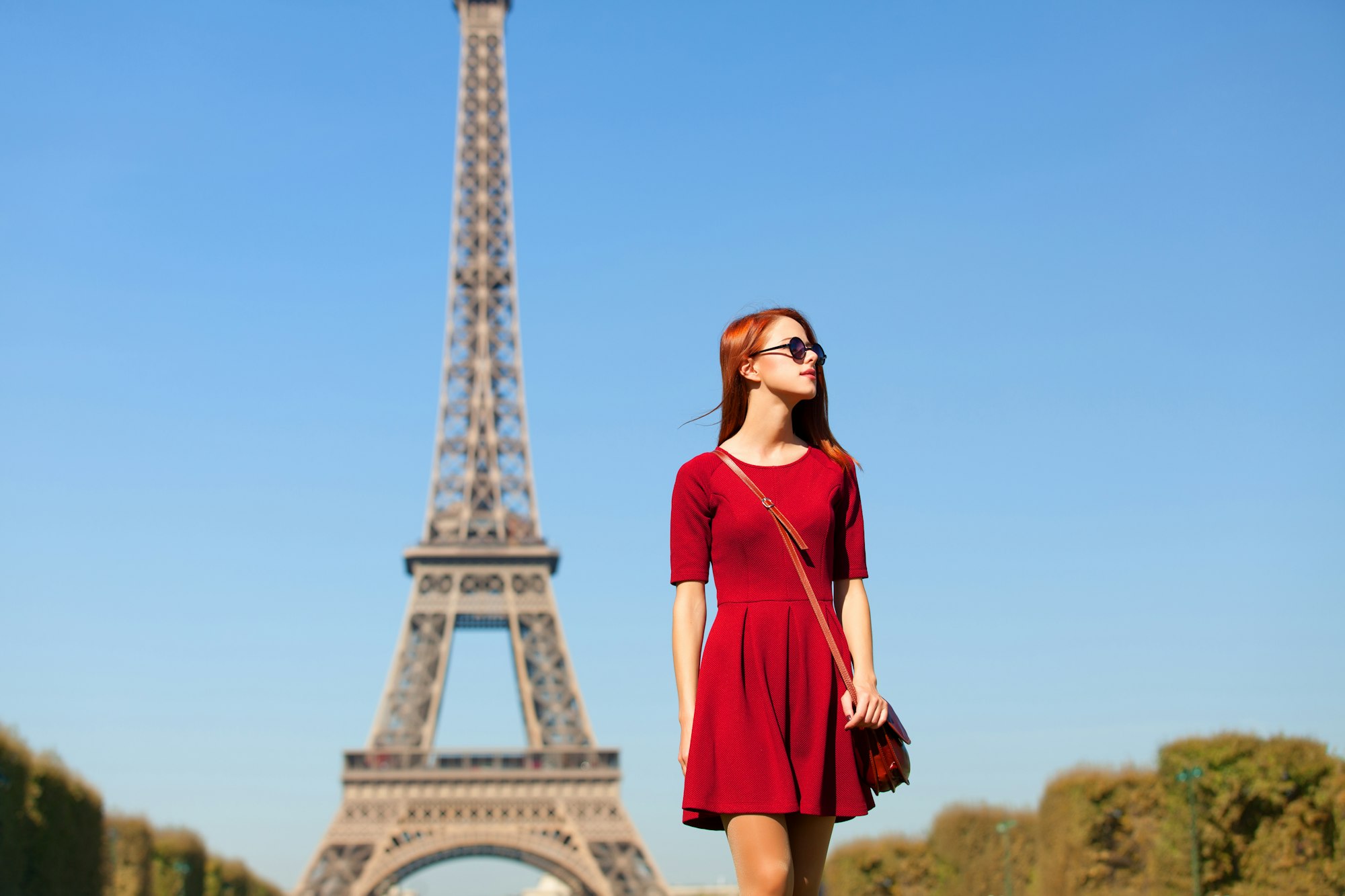
Paris: The Undisputed Capital of Haute Couture (PFW)
Paris remains the historical and spiritual heart of high fashion. Its influence dates back centuries and is define by Haute Couture—custom-fit, exclusive clothing—protected by stringent French law.
- The Vibe: Timeless, sophisticated, and the pinnacle of artistic expression.
- Key Contribution: Paris Fashion Week (PFW) is the grand finale of the “Big Four,” hosting the most prestigious. And historic houses (Chanel, Dior, Louis Vuitton), cementing its role as the global benchmark for luxury and creative genius.
2. The Rising Tide: Emerging Fashion Capitals (SEO Keyword: Emerging Global Fashion Hubs)
The globalized, digitally connected world has led to the rise of poly-centric fashion. Influence is no longer solely dictated by the “Big Four.” Emerging cities are staking their claim by offering distinct aesthetics and focusing on unique cultural narratives.
- Seoul, South Korea: Seoul has exploded onto the global scene. Driven by the colossal influence of K-Culture (K-Pop, K-Dramas) and an incredibly dynamic, experimental street style. Seoul Fashion Week is a futuristic playground for digital trends and bold aesthetics.
- Copenhagen, Denmark: The Danish capital is gaining momentum not through sheer luxury, but through sustainability. Copenhagen Fashion Week has implemented rigorous standards for participating brands. Making it the global leader in demonstrating that fashion can be both stylish and ethically responsible.
- Lagos, Nigeria: Lagos is the epicenter of a burgeoning Afro-Modern movement. Nigerian designers are gaining international acclaim for their vibrant. Use of indigenous textiles, prints, and tailoring that blends rich cultural history with a modern global outlook. Lagos Fashion Week is a key gateway for African design to the world.
- Tbilisi, Georgia: Georgia’s capital has gained notoriety for its avant-garde, post-Soviet aesthetic. Designers from Tbilisi offer a raw, intellectual edge that appeals to high-fashion connoisseurs looking for something truly unique and unconventional.
These cities prove that a contemporary fashion capital can be built not just on wealth, but on distinctive cultural identity and a clear point of view.
Conclusion: Fashion’s Global Network
The status of a Fashion Capital is a powerful marker of cultural relevance, economic vitality, and design innovation. While the “Big Four” maintain their historical and commercial weight, their roles are constantly being challenged and enriched by new players.
The modern fashion landscape is a testament to globalization: a fluid, interconnected network where a trend can start on the streets of Seoul, be featured on a Parisian runway, and be bought by a customer in New York—all within a single season. The cities that will hold the greatest influence in the future are those that can successfully fuse historical craftsmanship with digital innovation, and commercial viability with cultural authenticity.
Would you like me to create an infographic idea that visually compares the unique characteristics of Paris, Milan, London, and New York?