The 1980s was not merely a decade; it was a seismic shift in the global consciousness of style. Often characterized by its “more is more” philosophy, the 80s Fashion Revolution was a period of intense experimentation where clothing became a primary medium for social, political, and economic expression. It was the era that gave birth to the modern concept of the “personal brand,” where the silhouettes were as loud as the music and the colors were as bright as the emerging digital screens.
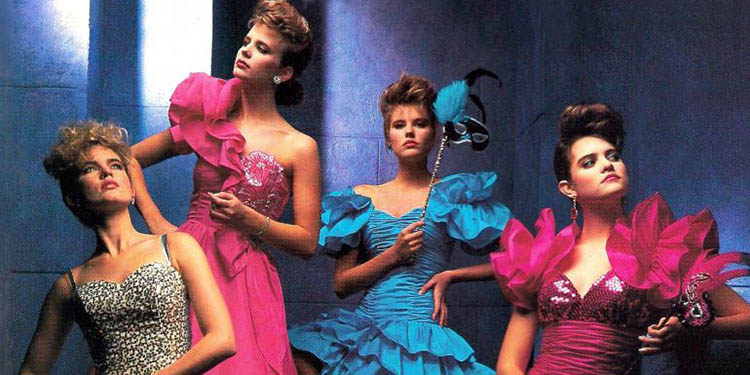
From the high-octane boardrooms of Wall Street to the underground clubs of London and New York, fashion in the 1980s broke away from the bohemian, earthy tones of the 70s. It embraced synthetic materials, exaggerated proportions, and a sense of theatricality that still influences designers in 2026. This article explores the key pillars of the 80s revolution and why its legacy continues to resonate in today’s fashion landscape.
Power Dressing: The Architecture of Success
One of the most defining movements of the decade was “Power Dressing.” As women entered the corporate workforce in unprecedented numbers, fashion adapted to provide them with a visual armor of authority. The shoulder pad became the iconic symbol of this era, designed to create an inverted triangle silhouette that projected strength and equality in male-dominated spaces.
Brands like Giorgio Armani and Donna Karan redefined tailoring, offering structured blazers with sharp lapels and high-waisted trousers. This wasn’t just about clothes; it was about the psychology of success. The 80s revolutionized the idea that professional attire could be both empowering and fashionable. This trend eventually trickled down into mainstream culture, influencing everything from television wardrobes in “Dynasty” to the everyday outfits of office workers worldwide.
The Birth of Streetwear and Logomania
While the corporate world was focused on structure, the streets were undergoing a radical transformation of their own. The 1980s marked the true birth of streetwear as a high-fashion category. The rise of hip-hop culture brought oversized tracksuits, heavy gold chains, and high-top sneakers into the spotlight. Brands like Adidas, Nike, and Reebok transitioned from purely athletic gear to essential fashion statements.
Simultaneously, the decade introduced the concept of “Logomania.” For the first time, the brand logo became the centerpiece of the garment. Wearing a visible designer monogram was a status symbol—a way to broadcast one’s aspirations and affiliations. This era saw the rise of designers like Dapper Dan, who remixed luxury house logos into street-ready silhouettes, effectively bridging the gap between the elite fashion world and urban youth culture.
Fitness Fever: From the Gym to the Club
The 1980s saw a massive boom in the fitness industry, led by figures like Jane Fonda and the aerobics craze. This obsession with physical health led to one of the most unique crossovers in fashion history: “Athleisure.” Suddenly, spandex, leggings, leg warmers, and headbands were no longer restricted to the gym.
Neon colors—electric pink, lime green, and vibrant orange—became the palette of the decade. Lycra was the revolutionary fabric that allowed for body-con designs, leading to the popularization of the leotard-over-leggings look. This revolution was about celebrating the body and movement, and it introduced a level of comfort and elasticity into daily wear that paved the way for modern casual fashion.
Subcultures and the Rebellion of Style
The 80s was a golden age for subcultures, each using fashion to voice a different form of rebellion. The New Romantics, led by icons like Boy George and Duran Duran, embraced a flamboyant, gender-bending aesthetic that drew inspiration from historical periods—think pirate shirts, heavy eyeliner, and ruffles.
Meanwhile, the Goth and Punk movements continued to evolve, utilizing black lace, leather, and safety pins to project a darker, more nihilistic worldview. On the other end of the spectrum, the “Preppy” look took hold in American colleges, characterized by polo shirts with popped collars, boat shoes, and pastel sweaters tied around the shoulders. The 80s Fashion Revolution was unique because it allowed these vastly different styles to coexist, proving that fashion could be a tool for both belonging and radical individuality.
The Influence of Music Videos and MTV
It is impossible to discuss the 80s fashion revolution without mentioning the launch of MTV in 1981. Suddenly, fashion was moving. Music videos provided a 24-hour visual feed of how the world’s biggest stars were dressing. Madonna’s “Boy Toy” belt buckles and lace gloves, Michael Jackson’s red leather “Thriller” jacket, and Prince’s purple velvet suits became instant global sensations.
MTV democratized fashion. A teenager in a small town could see exactly what was trending in the clubs of New York and replicate that look the next day. This created a rapid cycle of trends and a globalized fashion language that accelerated the industry’s growth. The music video era ensured that 80s fashion was not just seen, but experienced as an integral part of pop culture.
Materials and Innovation: The Plastic Age
The 80s was an era of material innovation. Synthetic fabrics like polyester, rayon, and faux leather were embraced for their versatility and low cost. The “Plastic Age” also saw the rise of jelly shoes and chunky plastic jewelry. This was a departure from the “natural” obsession of the previous decade and a move toward the futuristic and man-made.
Acid-washed denim also became a revolutionary staple. The chemical process used to fade jeans gave them a rugged, worn-in look that appealed to the rebellious spirit of the time. Whether it was a shredded denim vest or a pair of high-waisted “mom” jeans, denim in the 80s was the ultimate canvas for customization and personal expression.
Conclusion: The Lasting Impact of 80s Style
The 80s Fashion Revolution was a decade of fearlessness. It was an era that encouraged individuals to take up space, to be colorful, and to use their clothing as a declaration of intent. While some may look back at the big hair and neon spandex with a sense of irony, the structural changes that occurred during this time—the rise of streetwear, the empowerment of women through tailoring, and the fusion of music and style—remain the foundation of the modern fashion industry.
In 2026, we see 80s influences everywhere, from the oversized blazers on Paris runways to the resurgence of bold patterns and neon accents in digital fashion. The 80s taught us that fashion is not just about what we wear, but about the energy we project. It was a revolution that celebrated the individual’s power to transform themselves through style, a lesson that remains as relevant today as it was forty years ago. The 80s didn’t just change the way we dressed; it changed the way we saw ourselves in the mirror.