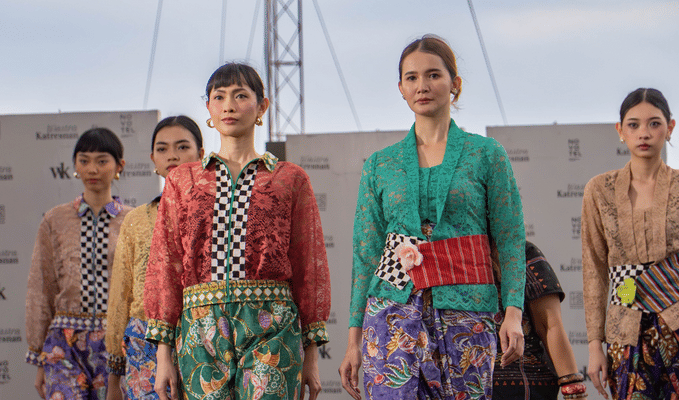
A Batik Fashion Show is far more than a simple display of clothing; it is a vibrant, moving museum—a runway dedicated to showcasing a UNESCO-recognized Masterpiece of Oral and Intangible Heritage of Humanity. These shows serve as the critical intersection where centuries of tradition meet the cutting edge of contemporary design. They are platforms for cultural preservation, economic empowerment, and global marketing. Successfully transforming a wax-resist dyeing technique into a powerful, universally appealing fashion statement.
This article explores the unique role, dynamic themes, and growing global significance of the Batik fashion show.
1. More Than Fabric: The Cultural Weight on the Runway (SEO Keyword: Batik Cultural Heritage Fashion)
Batik, primarily originating from Indonesia, carries deep historical and philosophical weight. The motifs—such as Parang (symbolizing strength), Kawung (representing eternal life). And Mega Mendung (the cloud pattern symbolizing divinity)—were once reserved for royalty and reflected social hierarchy.
When these intricate patterns hit the catwalk, they tell a story:
- Preservation of Craft: The fashion show acts as a crucial engine for preserving the meticulous hand-drawn (Batik Tulis) and stamped (Batik Cap) techniques. By providing a commercial outlet and high-profile exposure, shows incentivize artisans to continue practicing this labor-intensive craft.
- Cultural Diplomacy: On the global stage, designers presenting Batik are acting as cultural ambassadors. The rich textiles instantly communicate Indonesian, Malaysian, or other Southeast Asian heritage. Sparking interest and respect for the region’s artistic legacy.
- Redefining Formal Wear: The runway has been instrumental in elevating Batik from traditional wear (kain panjang or sarong) to contemporary formal attire. In Indonesia, the long-sleeved Batik shirt is now the standard. For business and state functions, a shift directly influenced by its consistent, modern presentation in fashion shows since the mid-20th century.
2. The Evolution of Style: Modernizing Traditional Motifs
The hallmark of a modern Batik fashion show is the clever fusion of traditional pattern language with contemporary silhouettes. Designers face the creative challenge of making an ancient textile look utterly relevant in the 21st century.
Themes and Trends on the Batik Catwalk
Batik designers continuously innovate by drawing inspiration from specific themes:
- Gender-Neutral Adaptations: Breaking away from traditional gender norms, shows increasingly feature unisex pieces like structured Batik jackets, bomber coats, and tailored trousers. This adaptation makes the fabric accessible to a younger, more fluid generation of consumers.
- The Global Traveler: Designers reinterpret Batik motifs using modern cuts. Imagine a Parang motif on a sleek cocktail dress, or Mega Mendung on a voluminous modern trench coat. The goal is to create pieces that look as chic in New York or London as they do in Jakarta.
- Sustainable & Natural Dyes: Aligning with global ethical trends, many contemporary Batik collections highlight. The use of natural dyes (from indigo, mango leaves, or other botanical sources). The runway provides a platform to showcase these earth-friendly practices, appealing to the conscious consumer.
- Juxtaposition with Modern Fabrics: Batik is often paired with contrasting materials like clean linen, denim, or sheer organza. This juxtaposition provides a modern edge, preventing the textile from appearing heavy or overly traditional.
Designers are not just copying motifs; they are reinterpreting them. For example, a traditional large motif might be miniaturized into a micro-pattern for depth, or its classic brown and indigo color palette might be replaced with vibrant pastels or neon pops, demonstrating the fabric’s versatility.
3. Batik Shows as a Commercial Catalyst
In a purely commercial sense, the fashion show is the ultimate marketing tool for the Batik industry. It transforms an artisanal product into a luxury commodity.
- Establishing Brand Value: By presenting collections with the high production value of international shows, designers elevate the perceived value of the hand-crafted garment. This justifies a higher price point, which is essential for ensuring artisans receive fair compensation.
- Attracting International Buyers: Major fashion weeks and dedicated Batik events (like the Jogja International Batik Biennale) attract global buyers, retailers, and fashion media. This direct exposure opens vital export channels for small to medium-sized Batik enterprises.
- Inspiring Domestic Consumption: The glamorous imagery generated by the fashion show filters down to the mass market. Seeing Batik on a stunning, modern silhouette encourages local consumers, particularly young people, to integrate the fabric into their everyday wardrobe, thereby securing the domestic market for the craft.
Conclusion: The Future is Wax-Resist
The Batik fashion show is a vibrant testament to the power of cultural textiles in the global fashion narrative. It is a critical balancing act: honouring an art form that requires meticulous handwork while pushing its boundaries into futuristic silhouettes and commercial trends.
As the global fashion industry increasingly values authenticity, craftsmanship, and sustainability, the Batik fashion show will continue to grow in importance. It serves as a reminder that the most exciting and truly “fabulous” trends often emerge not from new technology, but from the re-imagination of enduring cultural heritage.