In the modern era of 2026, the landscape of men’s fashion has shifted from rigid traditionalism to a more fluid, expressive, and intentional philosophy. Shopping for “the right look” is no longer just about picking clothes off a rack; it is about constructing a visual identity that balances professional competence with personal comfort. Whether you are navigating a high-stakes corporate environment or looking to elevate your casual weekend style, the art of shopping requires a blend of strategy, self-awareness, and an understanding of timeless proportions.
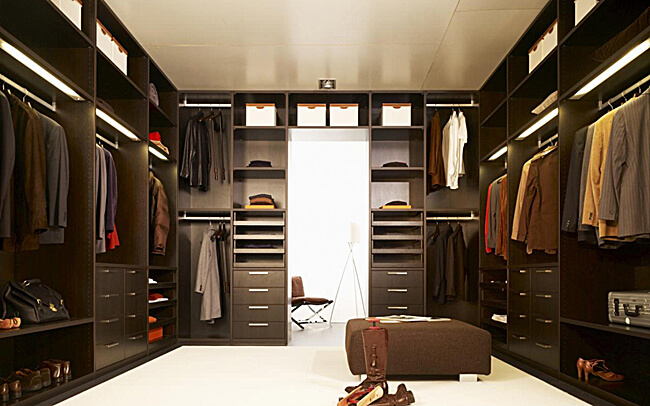
The modern man faces a unique challenge: an overwhelming abundance of choice. With global e-commerce, local boutiques, and bespoke tailoring all competing for attention, the key to success lies in curation. This article explores the professional approach to men’s shopping, ensuring that every purchase serves a purpose and contributes to a cohesive, impactful wardrobe.
Understanding Your Personal Style Architecture
The most common mistake men make when shopping is buying individual items that they “like” without considering how they fit into a broader wardrobe. To find the right look, you must first define your style architecture. Are you leaning toward “Quiet Luxury,” characterized by high-quality basics and neutral tones? Or does your personality align more with “Modern Heritage,” which incorporates textures like tweed, corduroy, and rugged denim?
Before stepping into a store or browsing online, audit your current closet. Identify the “hero pieces” you wear most often and analyze why they work. Is it the fit? The color? The fabric? By understanding what already gives you confidence, you can shop with a targeted list. This prevents impulse buys that end up languishing in the back of your wardrobe and ensures that new acquisitions complement your existing pieces.
The Golden Rule: Fit Is Everything
You can spend thousands of dollars on a designer suit, but if the fit is incorrect, the look will fail. Conversely, a modestly priced garment that fits perfectly will always look expensive. When shopping, pay close attention to the “points of tension”—the shoulders of a jacket, the waist of trousers, and the collar of a shirt.
In 2026, the trend has moved away from the hyper-skinny silhouettes of the last decade toward a “relaxed tailored” look. This means clothes should skim the body rather than squeeze it. When trying on clothes, move in them. Sit down, reach for your phone, and walk around. If a garment restricts your movement or creates unsightly pulling across the chest or thighs, it is not the right size. Remember that most off-the-rack clothing is designed for a “standard” body type; budget for a local tailor to make minor adjustments to your sleeves, hems, and waistlines to achieve a truly professional look.
Investing in Quality Over Quantity
The philosophy of “buy less, buy better” has become the cornerstone of the modern gentleman’s shopping strategy. Instead of a dozen low-quality shirts that lose their shape after three washes, invest in three high-quality pieces made from natural fibers like Egyptian cotton, merino wool, or linen.
Natural fabrics not only last longer but also breathe better and age with grace. When shopping, look at the details: the strength of the stitching, the quality of the buttons, and the weight of the fabric. High-quality items are an investment in your personal brand. A well-made pair of Goodyear-welted leather boots or a 100% wool overcoat can last a decade with proper care, whereas fast-fashion alternatives often require replacement within a year.
Navigating the Spectrum: From Formal to Elevated Casual
The boundaries between “work clothes” and “weekend clothes” have blurred significantly. The right look for 2026 often falls into the category of “Elevated Casual.” This involves mixing formal elements with relaxed pieces to create a versatile ensemble.
A classic example is pairing a structured navy blazer with high-quality dark denim and clean white leather sneakers. This look is appropriate for a business lunch, a flight, or a dinner date. When shopping for this middle ground, look for “bridge pieces”—items that can swing both ways. A high-quality polo shirt in a knit fabric, for instance, works under a suit jacket but also looks great with chinos. By focusing on these versatile items, you create a wardrobe that works harder for you with fewer pieces.
The Power of Accessories and Footwear
Many men underestimate the impact of accessories and shoes on their overall look. Footwear is often the first thing people notice, and it serves as the foundation of your outfit. If you are shopping for a foundational wardrobe, you need four essential pairs: a clean white sneaker, a brown leather loafer or brogue, a black dress shoe, and a versatile boot (like a Chelsea or Chukka).
Accessories should be subtle but deliberate. A high-quality leather belt that matches your shoes, a classic timepiece, and a well-crafted leather bag can elevate a simple outfit to something memorable. Avoid over-accessorizing; the goal is to look effortless, not over-decorated. One or two high-quality pieces are always more effective than a collection of trendy, low-quality gadgets.
Strategic Shopping: When and Where to Buy
To get the most value for your money, you must shop strategically. High-end department stores are excellent for discovering new brands and trying on different fits, while specialized online retailers often provide a wider range of sizes and specific niche designers.
In 2026, many men are also turning to “made-to-order” services. These allow you to customize fabrics and details, ensuring that the garment is unique to you. Additionally, keep an eye on seasonal sales for investment pieces like heavy coats or leather goods, which rarely go out of style. However, avoid buying something just because it is on sale. If it doesn’t fit your style architecture or your body perfectly, it is a waste of money regardless of the discount.
Conclusion: Confidence is the Final Layer
Ultimately, shopping for the right look is an exercise in self-respect. When you take the time to select clothes that fit well, feel good, and reflect your personality, you project a level of confidence that is palpable. The right look is not about following every fleeting trend; it is about finding the version of yourself that feels most capable and authentic.
By prioritizing fit, investing in quality materials, and focusing on a versatile, curated wardrobe, you simplify your life and amplify your presence. As you head out to shop, remember that fashion is the tool, but style is the result. In the world of 2026, the best-dressed man is not necessarily the one in the most expensive clothes, but the one who looks most comfortable in his own skin. Reach for the items that tell your story, and the “right look” will follow naturally.